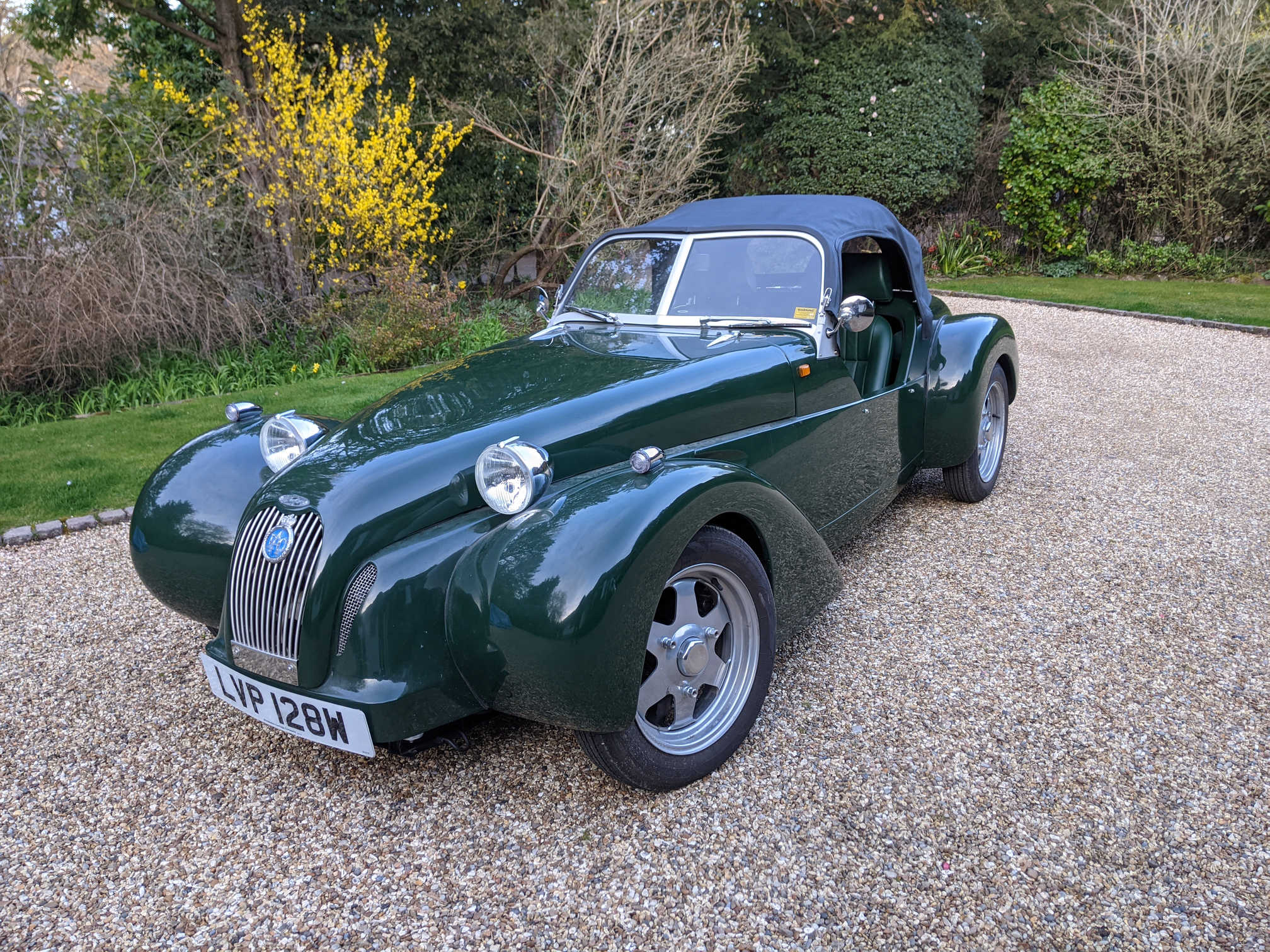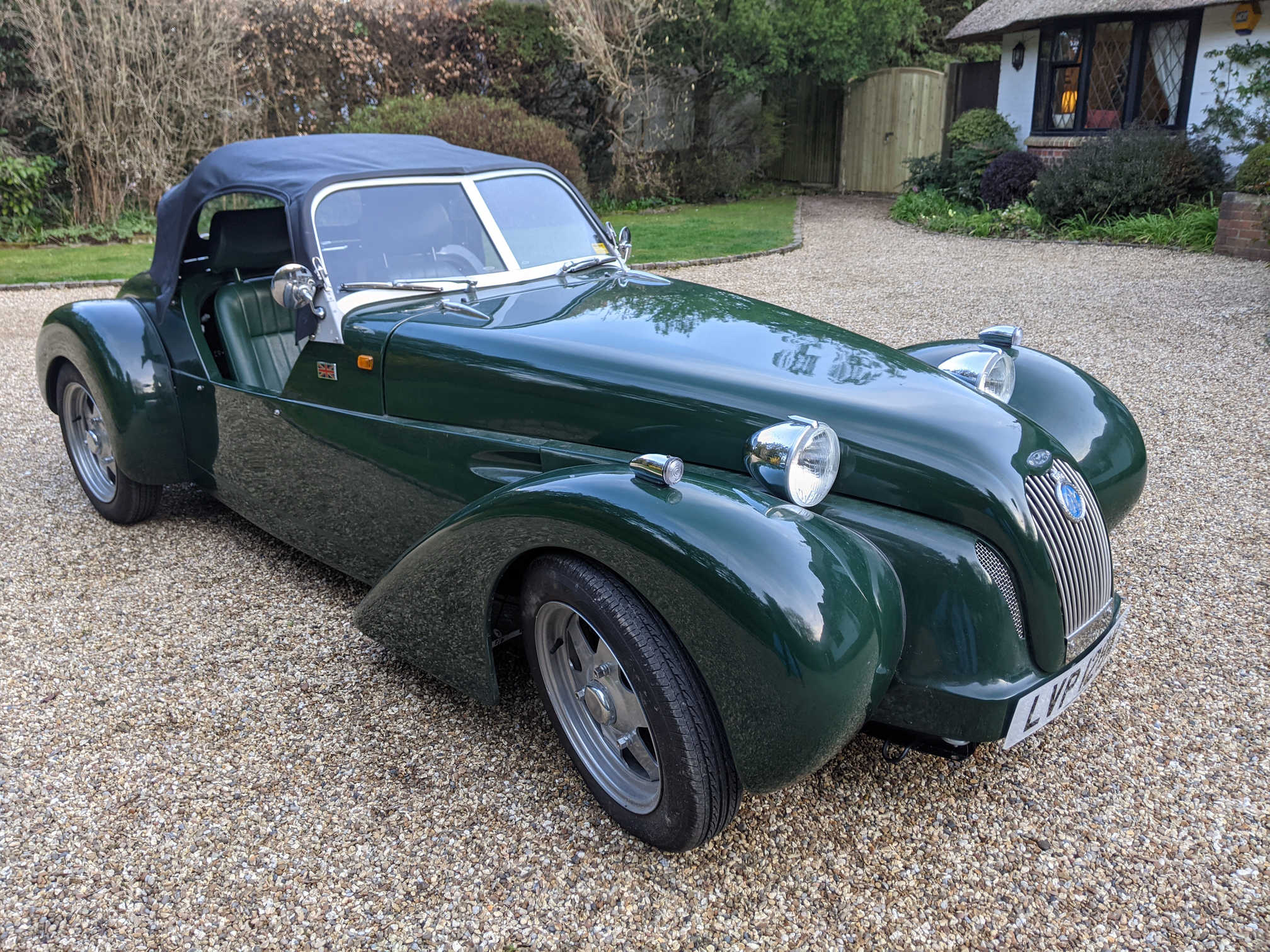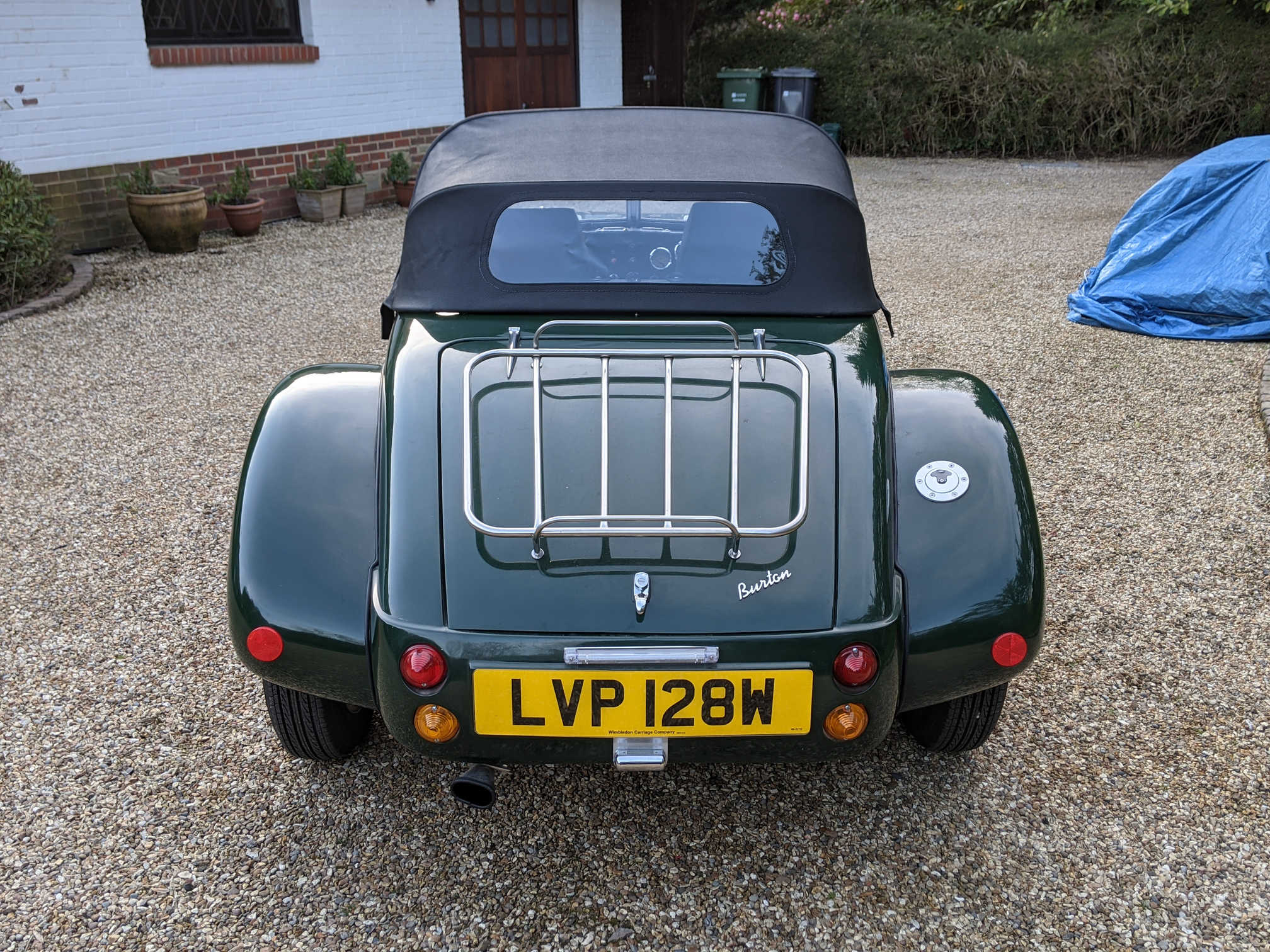
The Burton Car company is based in Zutphen, in the Netherlands, they are well known to A-Series owners for being a major supplier of Citroën A-Series parts, including ‘improved’ parts within their brand Burton 2CV Parts; and also, for the Burton Sports Car.
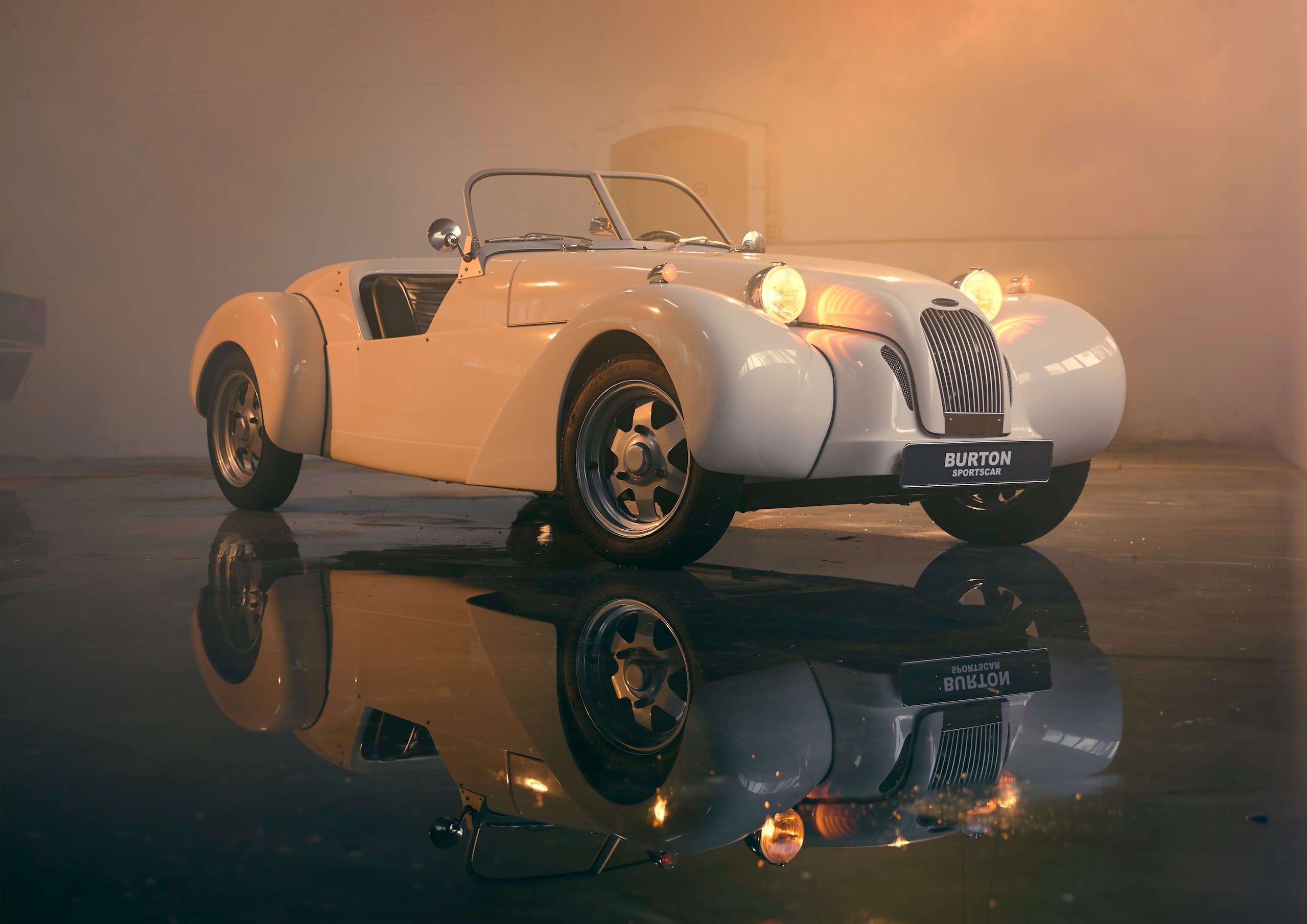
The Burton Car Company is run by bothers Iwan and Dimitri Göbel, with a shared passion for the 2CV. Their interest in cars began in 1978 with a car they made with their father, incorporating a DAF steering rack and a Zundapp engine. In 1993, they started Duckhunt, a business venture converting 2CV’s into pickups and building Lomax kit cars. Dimitri made some changes to improve the Lomax. He added a Citroën Visa engine, stainless steel side exhaust, custom fuel tank and converted the suspension to having two rear wheels in the centre. The interest in these conversions and the demand for custom parts, led them in 1997, to the idea of designing a light weight body for a four-wheeled car, focusing upon a good seating position and a balanced design.
Artist and designer, Dimitri Göbel, said that he just wanted to make a nice car, in fact three, one for his father, one for his brother Iwan and one for himself; 160 kilograms of filler later, he admitted the project became a little more than that.
Dimitri drew upon his passion for the Art Deco, Streamline Moderne, designed cars of the late thirties and early forties, created in France; such as Bugatti, Delahaye and Talbot Lago, the inspiration for many beautiful cars, including England’s Morgan and Jaguar XK120. The pinnacle of this design style came perhaps, with the 1937 Talbot Lago T150C Teardrop Coupé, designed by Giuseppe Figoni; perhaps, the most beautiful car ever made. Incidentally, the Talbot Lago’s four litre straight six with its hemispherical head, was designed by fellow Italian, Walter Becchia, who also designed Citroën’s air-cooled flat twin.
A couple of prototypes later, convinced Dimitri and Iwan that it was important to produce a conversion that was as simple as possible so that everyone could build it, requiring the minimum of modifications; thereby simplifying the building process. In 2000, they had a new prototype; the Burton Sports Car was born.
The idea of a 2CV sports car might sound odd, but it is not at all a recent concept. As early as 1951, Pierre Barbot modified a 2CV body and chassis to create a Sports Car, then actually ‘reduced’ the engine capacity from 375cc to 348cc to qualify for the 350cc class in the Bol d’ Or; with which, he won the following year.
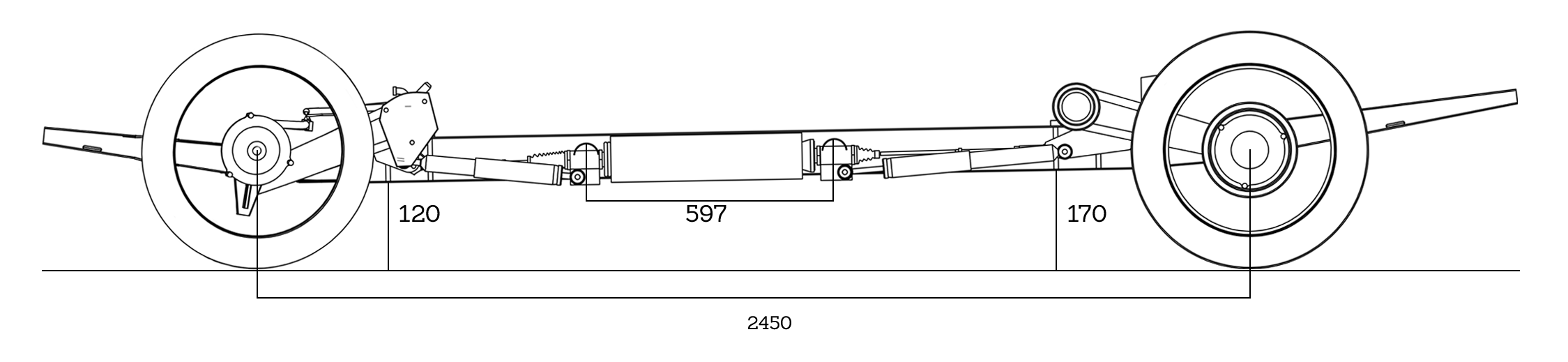
Unlike the Barbot car, which had the chassis shortened, the light-weight Burton body bolts straight onto a standard, full-length A-Series chassis, it’s a straight body swap with one or two modifications.
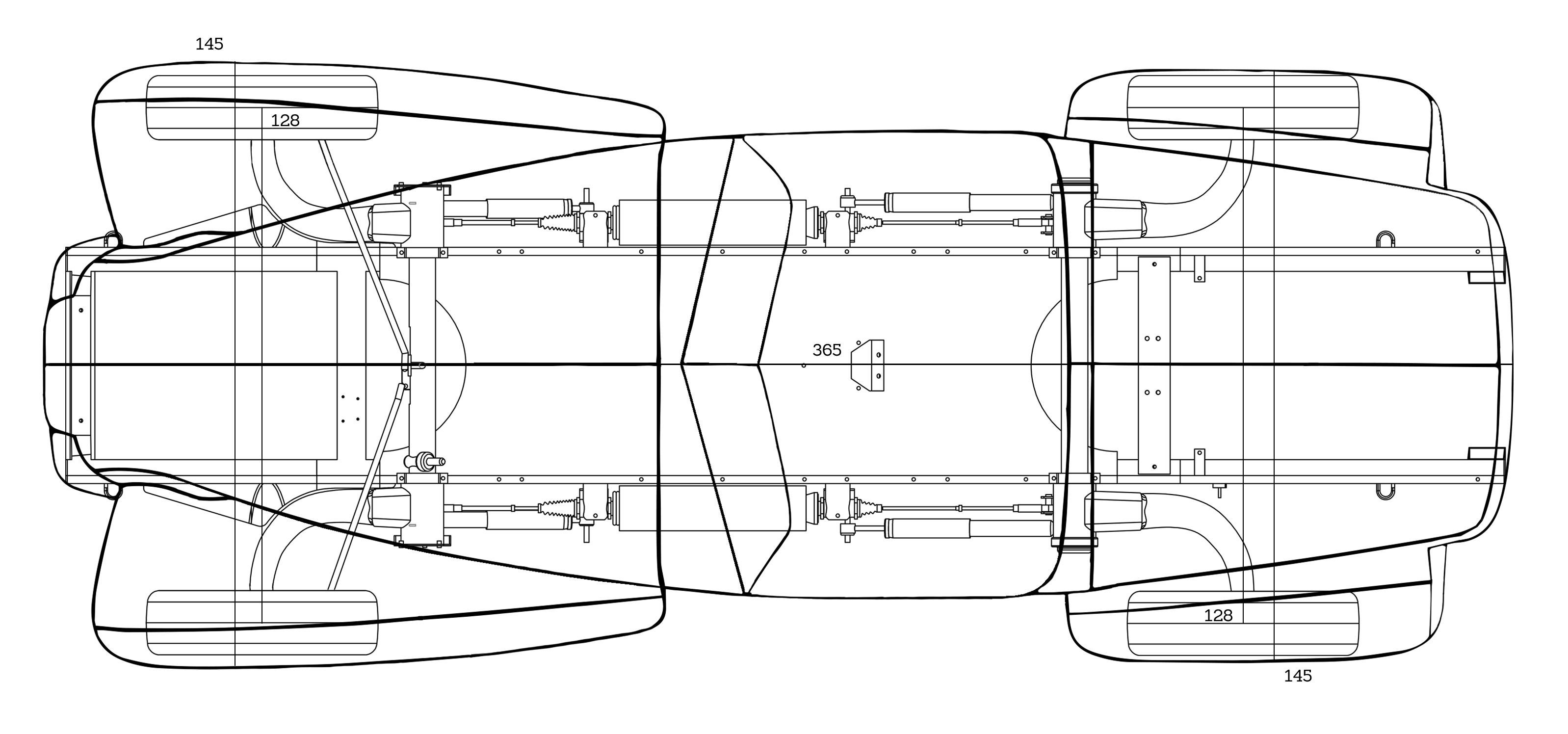
So, what is a Sports Car? Some people think it has something to do with horsepower. The Oxford dictionary states: Low, two seats and ‘open’ (the absence of a fixed roof). As the Barbot car had only 348cc’s, then surely, in comparison, a 602cc engine is almost in Hot Rod territory! The lightweight Burton body reduces weight by around 100kgs from 585kgs to only 480kgs.
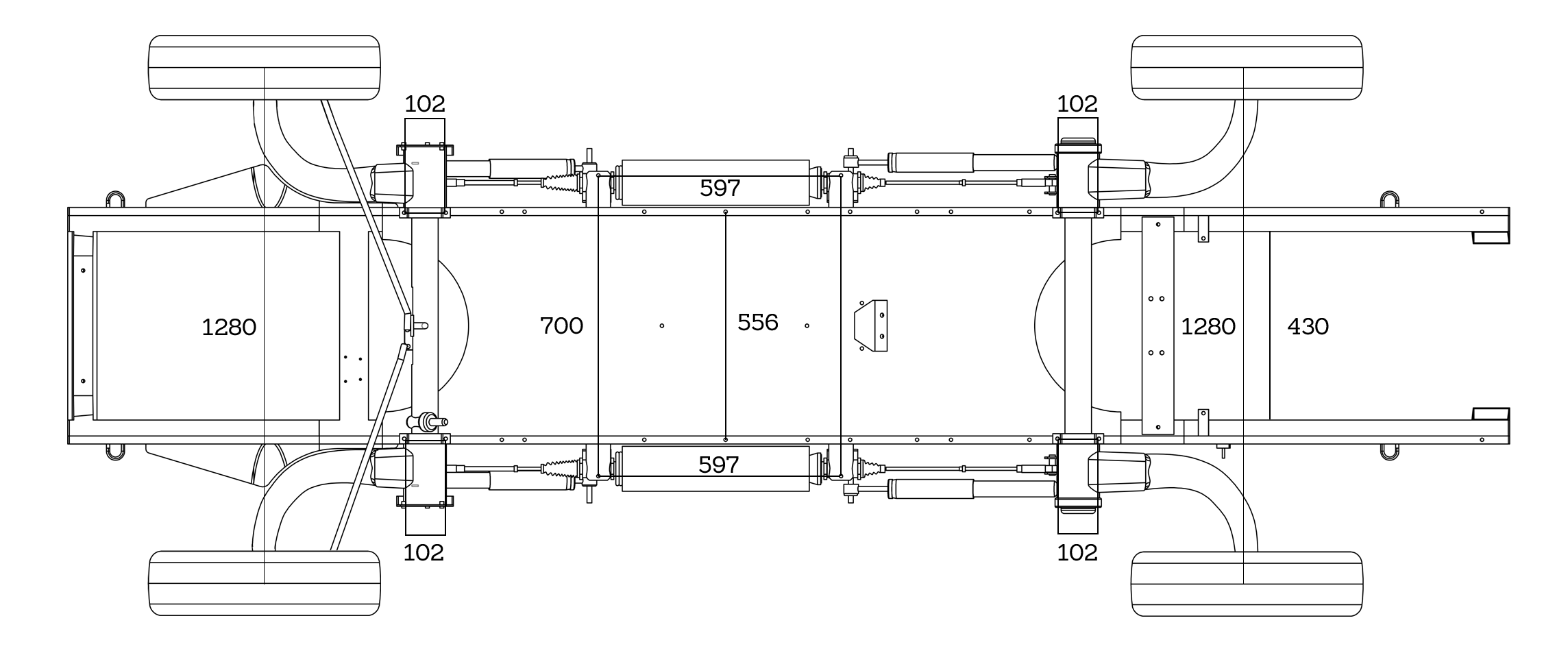
A front-engined sports car has its two seats positioned just ahead of the rear axle. The Burton is no different, it dispenses with the front seats and uses just the rear bench seat. The steering column and gear shift rod have to be lengthened to fit the new seating position.
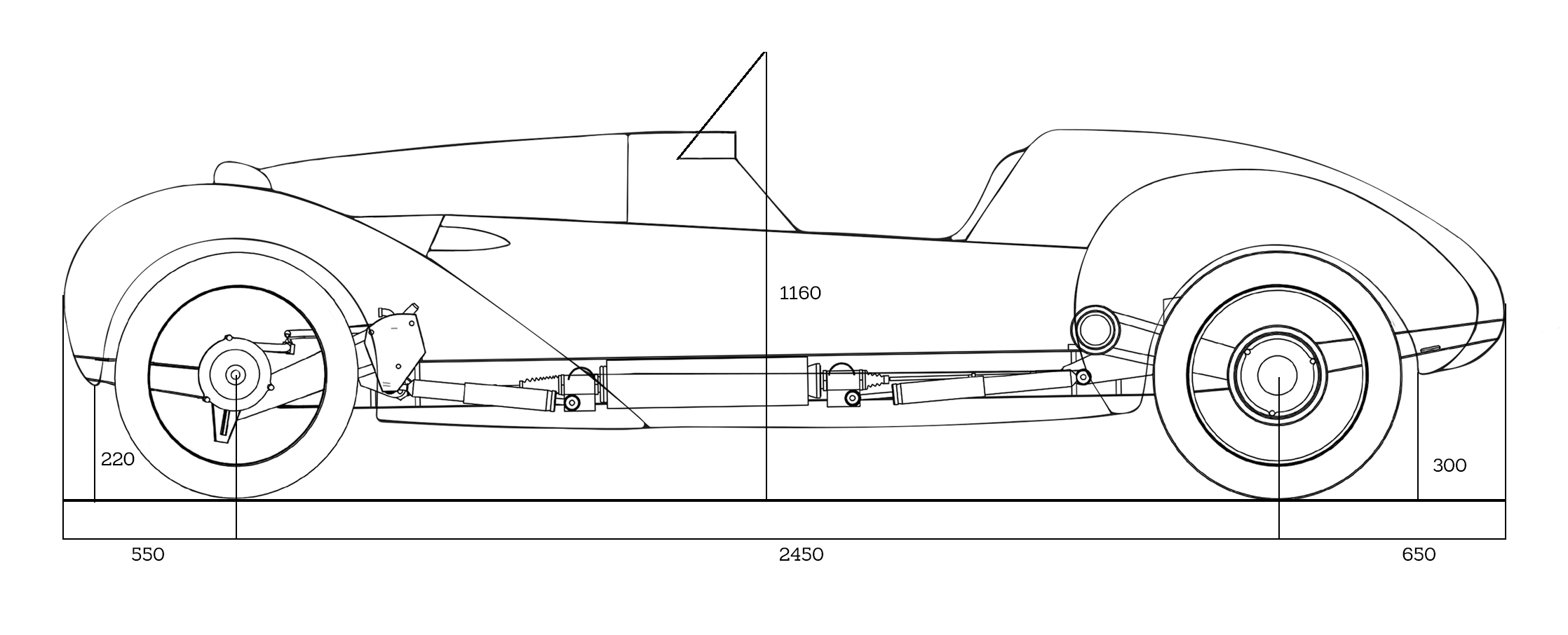
In 2001, production began. In 2004, they changed the name of the company to Burton. To date, more than 1,300 Burtons have been made.
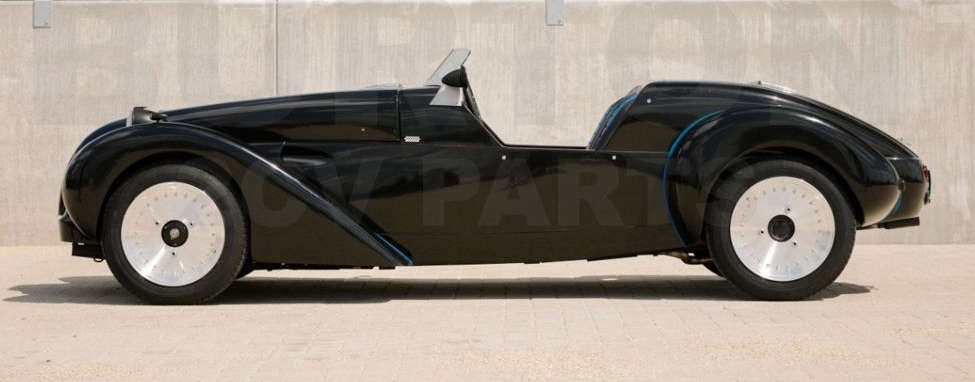
The lightweight Burton body is made of Polyester with a Gelcoat finish. There is nothing pretentious, Dimitri has faithfully adhered to the principal of form follows function; he somehow manages to preserve a certain quirkiness that tells you, this is still a 2CV! This body being lower, lowers the centre of gravity, reducing body roll and drag, also the reduction in weight increases performance and allows more efficient braking. Because this conversion is really just a body swap, the identity of the car is retained, so technically, this is not a kit car and therefore not required to carry a Q registration, using the original registration number.
Prices start from 4,499 Euro.
Most builds start with an A-Series MOT failure. There is great scope for individual preferences, therefore no two Burton’s are the same. The options are endless, from 1,500 RAL colours and build options: building at home, renovating the axles, gear box and engine yourself, or using exchange components for a clean build, or, opting for Burton to build the complete car. Many of the fittings are made from stainless steel, alloys or aluminium, so there isn’t much that can rust. There are two windscreens, one high, the other low, with two soft top heights, a Tonneau cover and a hardtop with gull-wing doors!
Top speed, regardless of power train is 140kph, about 87mph, and governed by the gearbox, but sports cars are not about top speed, it’s the handling and feel that’s important.
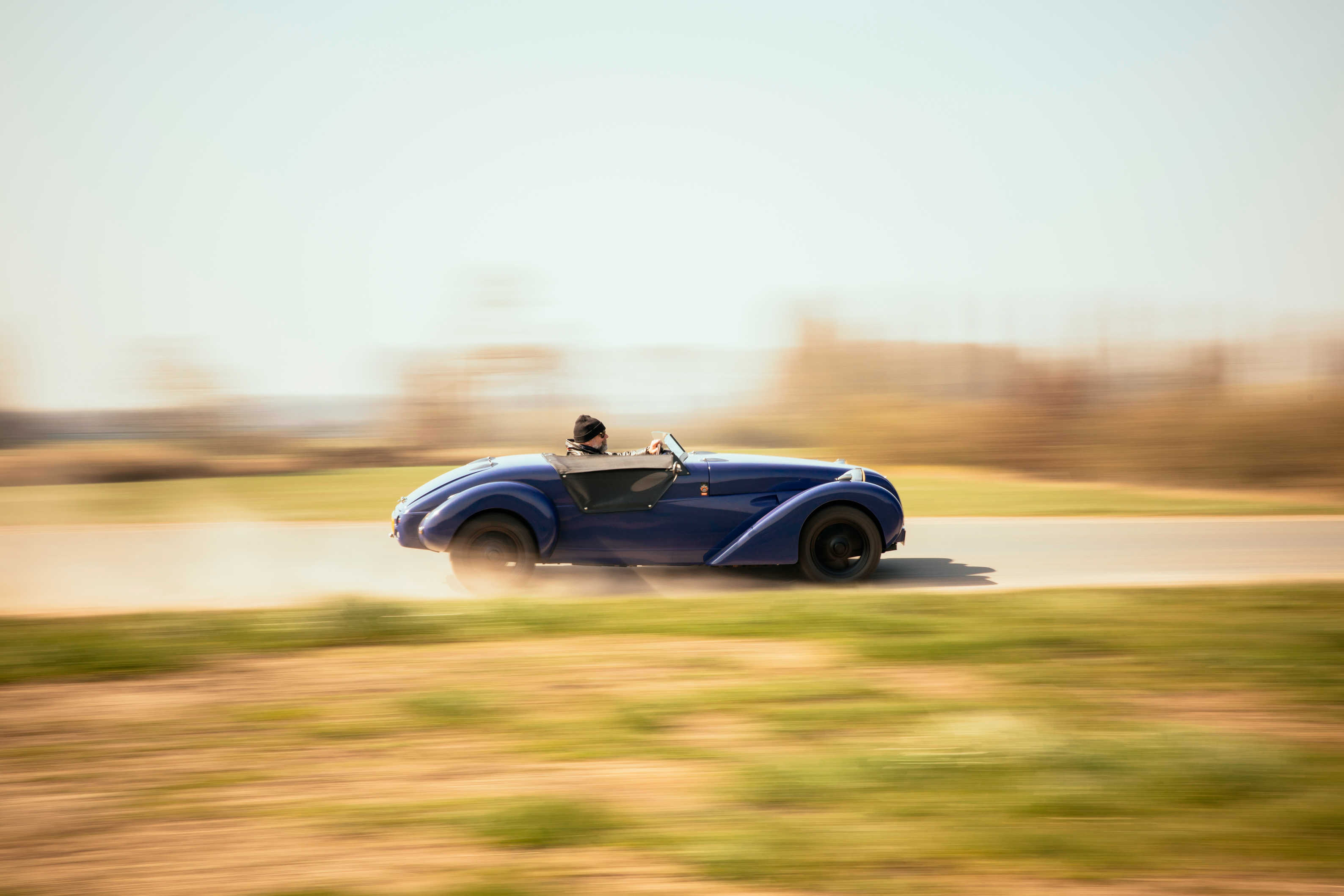
If Giuseppe Figoni were to design a lightweight sports car for the super rich today, he would surely use carbon fibre. If Flaminio Bertoni were to design sports car coachwork for the 2CV today, he would surely use Polyester! Bertoni - Burton.